How do you change bad habits? What is a habit, anyway?
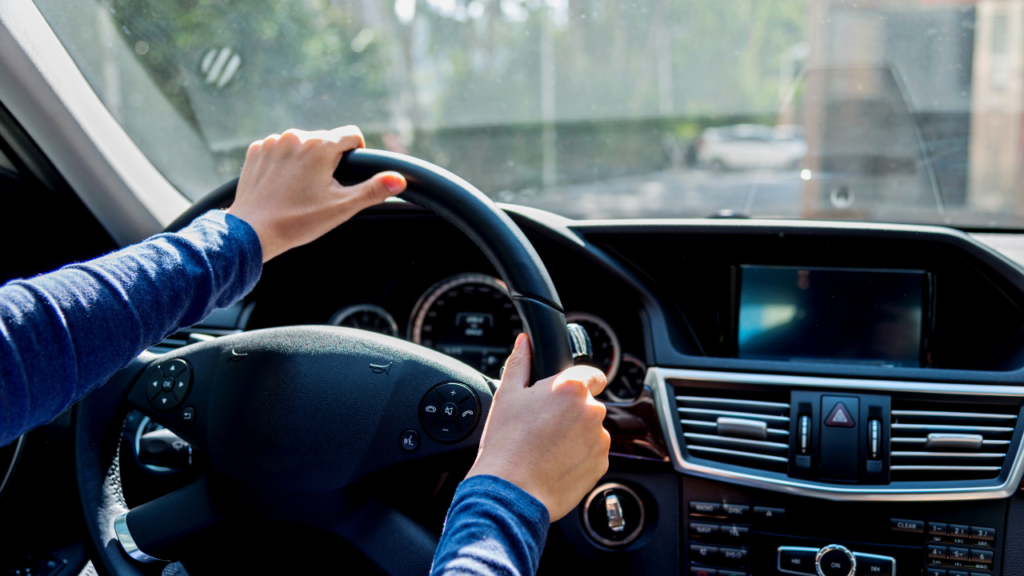
Habits form in order to solve a problem that you encounter on a daily basis, such as driving a car. A habit is a neuronal pathway within some of the deepest and most primal parts of the brain. Our brain creates habits – automatic responses – so it can continue to be lazy. Your brain wants to offload its work. This allows it to free up cognitive space in order to solve new and more complex problems such as building stone tools and eventually airplanes.
If we had to continuously think about executing many of our daily behaviours we would be exhausted before the day even started. That is why ~40% of the behaviours you execute on a daily basis are habits. They are a neuronal pathway or program that when triggered by a particular cue such as pulling out your car keys will begin to run until you reach your destination which is the reward at the end of executing that neuronal pathway and this tells the brain, ‘this is good. We want to continue doing this.’
Brain Activity During Habit Formation
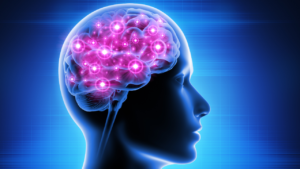 When mice are learning a new maze, we see their brain is exploding with activity during its initial run – when it’s brand new. Its brain is taking in new information through sight, sounds, smell, taste, and touch in order to understand what is occurring. The mouse tends to wander aimlessly at first finding its way around until it reaches the end where there is a reward – this is the good stuff.
Its brain is saying, ‘This reward is amazing. What did we do right before this in order to come across this reward.’ Then each time the mouse goes through the maze its brain will streamline its efforts and cut out behaviours that are not useful in helping the mouse reach the reward. Over time the activity in their brain will begin to calm as the routine gets executed over and over again and the mouse reaches the reward more quickly. The pathway through the maze to the reward becomes a habit and the mouse’s brain begins to reduce the amount of work it needs to do.
How This Brain Activity Applies to Your Bad (or Good) Behaviours
 This is the same process that occurs when you learn to drive your car or reach for the bag of chips after a long hard day at work. There is a cue such as your car keys or walking through the door at home. Your brain recognizes the pattern and executes the behaviours that lead to you reaching your reward of a new destination or delicious treat.
One problem with habits is our brain isn’t concerned if a habit is bad for our health 10 years from now. Our brain is looking for an immediate reward and to off-load as much work as it can RIGHT NOW. It is not thinking about if eating a bag of chips every night for the next 5 years may lead to a heart attack. All it is thinking, ‘I am stressed. Give me the salty goodness to feel better.’ This is where unhealthy habits can get us into trouble.
The good news is that when we understand how a habit is formed and what their purpose is… we can change them.
What is a habit you would like to start changing?